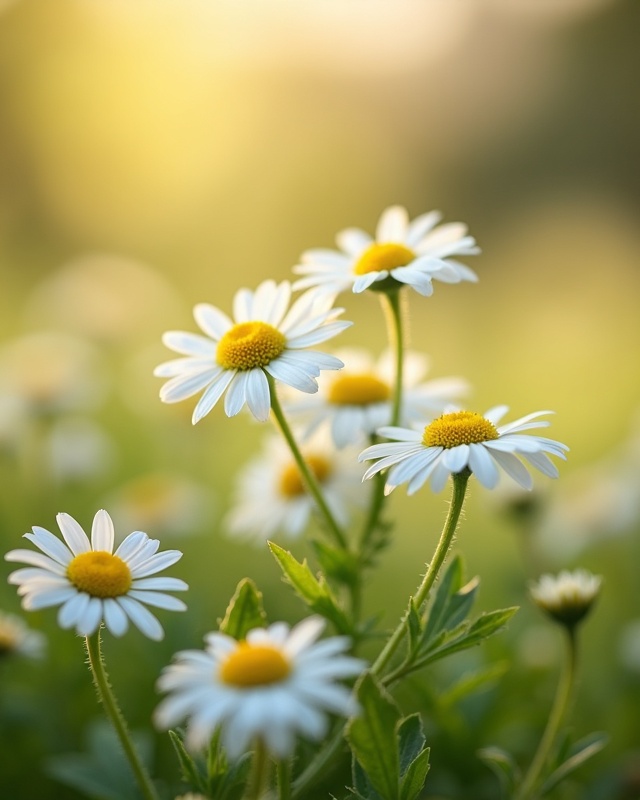
Chamomile
Matricaria chamomilla
Gentle flowering herb traditionally used to promote relaxation, ease digestive discomfort, and support restful sleep.
Lavender
Lavandula angustifolia
Aromatic purple flowering plant renowned for its calming effects on the nervous system and skin-soothing properties.
Ashwagandha
Withania somnifera
Adaptogenic root from Ayurvedic tradition that helps the body manage stress and supports energy balance.
Peppermint
Mentha piperita
Refreshing herb with cooling menthol compounds, excellent for digestive comfort and mental clarity.
Honey Locust
Gleditsia triacanthos
A thorny North American tree whose seed pods and bark have been used by Native Americans for digestive support, wound healing, and as a natural sweetener and tonic.
Horse Chestnut
Aesculus hippocastanum
A large ornamental tree whose seeds contain aescin, a compound clinically proven to support venous health, reduce leg swelling, and relieve chronic venous insufficiency.
Juniper
Juniperus communis
An evergreen shrub producing aromatic blue-black berries used as a diuretic, digestive tonic, and antimicrobial remedy in traditional European and Native American medicine.
Echinacea
Echinacea purpurea
Purple coneflower traditionally used to support immune function and reduce duration of common colds.
Eucalyptus
Eucalyptus globulus
Aromatic tree with leaves containing compounds that support respiratory health and clear breathing.
Aloe Vera
Aloe barbadensis
Succulent plant with gel-filled leaves, renowned for soothing burns, moisturizing skin, and supporting digestive health.
Valerian Root
Valeriana officinalis
Earthy root traditionally used to promote deep sleep and ease nervous tension.
Elderberry
Sambucus nigra
Dark purple berries rich in antioxidants, traditionally used to shorten cold and flu duration and support immune function.
St. John's Wort
Hypericum perforatum
Yellow flowering plant traditionally used for mild to moderate depression and mood support.
Calendula
Calendula officinalis
Bright orange marigold flower with skin-healing and anti-inflammatory properties, excellent for wounds and irritation.
Lemon Balm
Melissa officinalis
Lemon-scented herb from the mint family, traditionally used to ease anxiety, promote calm, and support digestion.
Milk Thistle
Silybum marianum
Purple flowering plant with seeds containing silymarin, a compound that supports liver health and detoxification.
Holy Basil
Ocimum sanctum
Sacred adaptogenic herb from Ayurveda that helps the body cope with stress and supports respiratory health.
Rosemary
Rosmarinus officinalis
Aromatic evergreen herb with memory-enhancing properties and circulatory support, used in cooking and medicine.
Ginkgo Biloba
Ginkgo biloba
Ancient tree with fan-shaped leaves, traditionally used to support cognitive function and circulation.
Dandelion
Taraxacum officinale
Common yellow flowering plant with roots and leaves used to support liver function, digestion, and as a gentle diuretic.
Passionflower
Passiflora incarnata
Intricate flowering vine traditionally used to calm the nervous system and promote restful sleep.
Thyme
Thymus vulgaris
Aromatic herb with antimicrobial properties, traditionally used for respiratory support and as a natural cough remedy.
Licorice Root
Glycyrrhiza glabra
Sweet root with soothing properties for the digestive tract and respiratory system, used in traditional medicine worldwide.
Nettle
Urtica dioica
Nutrient-rich plant with tiny stinging hairs, traditionally used for allergies, joint health, and as a nourishing tonic.
Rhodiola
Rhodiola rosea
Arctic adaptogenic root that helps combat fatigue, enhance mental performance, and support stress resilience.
Agrimony
Agrimonia eupatoria
A gentle astringent herb with small yellow flowers, traditionally used for digestive complaints, sore throats, and wound healing.
Anise Hyssop
Agastache foeniculum
A fragrant North American herb with licorice-scented leaves and purple flower spikes, used for respiratory support, digestion, and calming the nervous system.
Black-Eyed Susan
Rudbeckia hirta
A vibrant wildflower related to echinacea, traditionally used by Native American tribes to support immune function and treat colds and infections.
Boneset
Eupatorium perfoliatum
A North American wildflower historically used to relieve the deep bone aches of influenza, support immune function, and reduce fever.
Borage
Borago officinalis
A star-flowered herb with adrenal-supporting and anti-inflammatory properties, traditionally used to lift mood, ease stress, and support respiratory health.
Bottle Gourd
Lagenaria siceraria
An ancient cultivated gourd used in Ayurvedic medicine to support heart health, cool the body, aid digestion, and promote restful sleep.
California Poppy
Eschscholzia californica
A gentle, non-addictive relative of the opium poppy, used as a mild sedative and analgesic to ease anxiety, promote sleep, and relieve mild pain.
Carolina Geranium
Geranium carolinianum
A wild geranium with strong astringent properties, traditionally used by Native American tribes for diarrhea, wound healing, and oral health.
Chickweed
Stellaria media
A delicate herb with star-shaped flowers, rich in vitamins and minerals, used to soothe skin irritations and support weight management.
Comfrey
Symphytum officinale
Historically called "knitbone," used topically to accelerate wound healing and reduce pain. IMPORTANT: External use only due to liver toxicity concerns.
Couch Grass
Elymus repens
A gentle diuretic and urinary tract tonic, traditionally used for kidney stones, UTIs, and bladder inflammation.
Dill
Anethum graveolens
Aromatic herb with feathery leaves, used for thousands of years to ease digestion, support lactation, and calm infant colic.
Elecampane
Inula helenium
A powerful respiratory remedy with large yellow flowers and aromatic root, used for chronic coughs, bronchitis, and asthma.
Evening Primrose
Oenothera biennis
Seed oil rich in GLA (gamma-linolenic acid), widely used for hormonal balance, skin health, and PMS symptom relief.
Fennel
Foeniculum vulgare
Aromatic herb with licorice-flavored seeds, supporting digestive health, relieving gas, and traditionally used to support lactation.
Feverfew
Tanacetum parthenium
A daisy-like herb with white flowers, clinically validated for migraine prevention and anti-inflammatory support.
Goldenrod
Solidago virgaurea
Bright yellow flowering herb supporting urinary tract health, reducing inflammation, and promoting wound healing.
Greater Burdock
Arctium lappa
A powerful blood purifier with long taproot, supporting liver detoxification, skin health, and digestive wellness.
Henbane
Hyoscyamus niger
EXTREMELY TOXIC plant with historical use in medicine. NEVER use without professional supervision. Included for educational purposes only.
Hops
Humulus lupulus
Cone-like flowers of a climbing vine, used medicinally as a sedative and sleep aid with calming effects on the nervous system.
Lady's Thumb
Persicaria maculosa
A plant with purple-spotted leaves and astringent properties, used to stop bleeding, reduce inflammation, and support digestive health.
Lemon Thyme
Thymus citriodorus
A fragrant hybrid herb combining thyme's antimicrobial power with bright lemon aroma, used for respiratory health and mood enhancement.
Lemon Verbena
Aloysia citrodora
A South American shrub with the most intensely lemon-scented leaves of any herb, prized for exceptional antioxidant and anti-inflammatory properties.
Lovage
Levisticum officinale
A bold celery-flavored herb recognized in the European Pharmacopoeia for urinary tract support, digestion, and anti-inflammatory benefits.
Lungwort
Pulmonaria officinalis
A spotted-leaf herb historically used for respiratory ailments, rich in mucilage and tannins that soothe inflamed lung tissue and ease coughs.
Mallow
Malva sylvestris
A gentle demulcent herb with purple flowers, used to soothe inflamed mucous membranes, ease digestive discomfort, and calm irritated skin.
Marshmallow
Althaea officinalis
A highly mucilaginous root that coats and soothes irritated tissues, traditionally used for coughs, digestive inflammation, and urinary tract support.
Meadow Rue
Thalictrum flavum
A delicate woodland herb with yellow flowers, traditionally used by Native Americans for fever reduction, digestive support, and as a mild sedative.
Mullein
Verbascum thapsus
A tall plant with soft, fuzzy leaves and yellow flower spikes, renowned for supporting respiratory health, easing coughs, and soothing inflamed airways.
Mormon Tea
Ephedra viridis
A desert shrub with jointed green stems, traditionally used by Native Americans for respiratory support, energy, and as a mild stimulant. Contains ephedrine alkaloids.
Motherwort
Leonurus cardiaca
A bitter herb from the mint family, traditionally used to calm heart palpitations, ease anxiety, support menstrual health, and promote emotional balance.
Mugwort
Artemisia vulgaris
A common aromatic herb collected by honeybees, packed with proteins, vitamins, minerals, enzymes, and antioxidants. Used to boost energy, support immunity, reduce inflammation, and enhance athletic performance.
Black Cohosh
Actaea racemosa
A woodland perennial widely used for women's health, particularly menopausal symptoms like hot flashes and night sweats. Contains triterpene glycosides with hormonal-balancing effects.
Tea Tree Oil
Melaleuca alternifolia
A powerful essential oil distilled from the leaves of the Australian tea tree, renowned for its broad-spectrum antimicrobial, antifungal, and anti-inflammatory properties. Widely used for skin conditions, wound care, and oral health.
Bloodroot
Sanguinaria canadensis
EDUCATIONAL ONLY — A highly toxic plant native to eastern North America. Contains caustic alkaloids that cause severe tissue damage. Never use internally or topically. Included for safety awareness only.
Queen Anne's Lace
Daucus carota
A wild carrot with delicate white flower umbels, traditionally used to support immune function and treat colds and infections. Use with caution as it resembles toxic plants.
Sage
Salvia officinalis
A classic culinary and medicinal herb with velvety gray-green leaves, traditionally used to support cognitive function, ease menopausal symptoms, and promote oral health.
Sheep Sorrel
Rumex acetosella
A tart, lemony wild plant rich in vitamins and antioxidants, traditionally used to support digestion and provide nutritional support. One of the four herbs in the traditional Essiac formula.
Skullcap
Scutellaria lateriflora
A North American mint-family herb with small blue flowers, traditionally used to calm anxiety, promote restful sleep, and ease muscle tension and nervous system stress.
Sweet Grass
Hierochloe odorata
A sacred aromatic grass used in Native American ceremonies, traditionally burned for purification and relaxation. The sweet vanilla-like scent is used for aromatherapy and respiratory support.
Sweet Marjoram
Origanum majorana
A fragrant Mediterranean herb closely related to oregano, traditionally used to ease digestive discomfort, support respiratory health, and relax tense muscles.
Thorn Apple
Datura stramonium
EXTREMELY TOXIC plant. All parts contain dangerous tropane alkaloids causing hallucinations, respiratory failure, and death. NEVER use for any purpose. Included for educational and safety awareness only.
Violets
Viola odorata
Delicate purple flowers and heart-shaped leaves rich in vitamins A and C, traditionally used to support respiratory health, lymphatic drainage, and soothe irritated skin.
White Mustard
Sinapis alba
A bright yellow-flowered plant whose seeds are used as a warming digestive stimulant, circulatory tonic, and topical counterirritant for respiratory congestion and muscle pain.
Wild Lettuce
Lactuca virosa
A tall plant with milky sap containing lactucin and lactucopicrin, traditionally used as a mild sedative and analgesic for pain relief, sleep support, and anxiety reduction.
Wild Teasel
Dipsacus fullonum
A tall biennial with spiny egg-shaped flower heads, traditionally used to support joint health, reduce inflammation, and promote tissue repair. Gaining interest for Lyme disease support.
Wooly Lamb's Ear
Stachys byzantina
A soft, densely woolly-leaved plant traditionally used as a natural bandage for wound care. The leaves have antibacterial and anti-inflammatory properties, making them ideal for cuts, scrapes, and skin irritations.
Yarrow
Achillea millefolium
A feathery-leaved herb with flat-topped white flower clusters, one of the oldest medicinal plants known. Used to stop bleeding, reduce fever, and support digestive health.
American Ginseng
Panax quinquefolius
A prized North American adaptogen with a forked root, used to enhance cognitive function, support immune health, and improve stress resilience. Considered a cooler, gentler alternative to Asian ginseng.
Angelica
Angelica archangelica
A tall, majestic herb with large compound leaves and globe-shaped flower clusters, traditionally used to warm and stimulate digestion, support respiratory health, and improve circulation.
Arrowleaf Balsamroot
Balsamorhiza sagittata
A sunflower-like wildflower of the American West with large arrow-shaped leaves, traditionally used by Native Americans for wound care, respiratory infections, and as a broad-spectrum antimicrobial.
Bearberry / Uva Ursi
Arctostaphylos uva-ursi
A low-growing evergreen shrub with small red berries, one of the most effective herbal remedies for urinary tract infections. Contains arbutin, which converts to a urinary antiseptic in the body.
Bee Balm
Monarda didyma
A vibrant red-flowered North American herb with a spicy oregano-like scent, traditionally used for respiratory health and mood enhancement.
Blue Cohosh
Empetrum nigrum
CAUTION — A woodland plant historically used by Native Americans for women's health. Contains toxic alkaloids that can cause serious cardiovascular effects and harm to unborn children. Never use during pregnancy. Professional supervision required.
Butterbur
Petasites hybridus
A large-leaved riverside plant clinically proven for migraine prevention and allergy relief. Contains petasin compounds that reduce inflammation. CAUTION: Only use PA-free (pyrrolizidine alkaloid-free) certified extracts.
California Buckwheat
Eriogonum fasciculatum
A drought-tolerant California native shrub with clusters of white to pink flowers, traditionally used by Native Americans for headache relief, digestive support, and wound care.
Cardinal Flower
Lobelia cardinalis
A striking scarlet-flowered wetland plant related to lobelia, traditionally used by Native Americans for respiratory conditions as an antispasmodic and expectorant. Use with caution due to alkaloid content.
Cat's Claw
Uncaria tomentosa
A woody vine from the Amazon rainforest with hook-like thorns, traditionally used to support immune function, reduce inflammation, and promote digestive health. Contains oxindole alkaloids with immunomodulating effects.
Club Moss
Lycopodium clavatum
An ancient creeping evergreen plant resembling a miniature pine, traditionally used for cognitive support, wound care, and anti-inflammatory purposes. Contains huperzine A, a compound studied for memory and Alzheimer's support.
Coltsfoot
Tussilago farfara
One of the earliest spring wildflowers, with dandelion-like yellow blooms appearing before the leaves. Traditionally used as a respiratory remedy for coughs and asthma. CAUTION: Contains pyrrolizidine alkaloids — avoid long-term use.
False Hellebore
Veratrum viride
EXTREMELY TOXIC plant. All parts contain steroidal alkaloids causing severe cardiovascular and neurological toxicity. Frequently mistaken for edible plants. NEVER use for any purpose. Included for safety awareness only.
False Solomon's Seal
Maianthemum racemosum
A graceful woodland plant with arching stems and plumes of tiny white flowers, traditionally used by Native Americans for digestive support, respiratory conditions, and wound healing.
False Unicorn Root
Chamaelirium luteum
A rare woodland plant with a spike of white flowers, traditionally used as a women's health tonic for menopausal symptoms, hormonal balance, and digestive support. Now considered at-risk due to overharvesting.
Fireweed
Chamerion angustifolium
A tall, magenta-flowered plant that colonizes disturbed land and burned areas, rich in antioxidants and anti-inflammatory compounds. Traditionally used for digestive health and as a nutritious food source.
Goldenseal
Hydrastis canadensis
A powerful antimicrobial herb containing berberine, used for digestive infections, blood sugar regulation, and immune support. One of the most widely used medicinal plants in North America. Now at-risk due to overharvesting.
Horsetail
Equisetum arvense
An ancient plant unchanged for 300 million years, extraordinarily rich in silica. Traditionally used to strengthen bones, hair, and nails, and to support urinary tract health.
Kudzu
Pueraria montana
An invasive vine from Asia with large leaves and purple flowers, containing isoflavones studied for reducing alcohol cravings, supporting cardiovascular health, and regulating blood sugar.
Indian Tobacco
Lobelia inflata
A North American wildflower containing lobeline, traditionally used as a powerful respiratory remedy and antispasmodic. CAUTION: Toxic in large doses — use only under professional supervision.
Jewelweed
Impatiens capensis
A succulent-stemmed wildflower that grows near poison ivy, traditionally used as an immediate topical remedy for poison ivy rash, insect bites, and fungal skin conditions.
Maidenhair Fern
Adiantum capillus-veneris
An elegant fern with delicate fan-shaped leaflets on wiry black stems, traditionally used for respiratory conditions, coughs, and as a hair rinse to promote hair health and shine.
Red Clover
Trifolium pratense
A beautiful flowering plant with distinctive pink-purple blooms, rich in isoflavones. Valued for women's health, particularly menopausal symptom relief, bone health, and cardiovascular support.
Meadowsweet
Filipendula ulmaria
A graceful perennial herb with frothy creamy-white flowers, historically linked to the development of aspirin. Contains natural salicylates buffered by protective tannins and mucilage, making it uniquely gentle for pain, inflammation, and digestive complaints.
Horehound
Marrubium vulgare
One of the oldest cough remedies in Western medicine, documented for over 3,000 years. The bitter compound marrubiin is a powerful expectorant and antispasmodic, forming the basis for traditional horehound cough drops still sold worldwide.
Hibiscus
Hibiscus sabdariffa
The vibrant crimson calyx of the roselle plant, one of the most clinically validated herbal remedies for lowering blood pressure. Rich in anthocyanins and organic acids, it supports cardiovascular health with effects comparable to some pharmaceutical drugs.
Ivy Leaf
Hedera helix
EMA-approved and one of the most prescribed herbal cough medicines in Europe. Ivy leaf extract is clinically proven to relieve acute bronchitis symptoms through bronchodilation and mucolytic effects, making it among the best-evidenced herbal respiratory remedies.
Senna
Senna alexandrina
An FDA-approved natural laxative with thousands of years of use in Ayurvedic and Islamic medicine. Sennosides stimulate bowel motility within 6–12 hours, making it one of the most effective and widely used herbal laxatives in the world.
Astragalus
Astragalus membranaceus
A cornerstone herb of Traditional Chinese Medicine used for over 2,000 years, Astragalus is among the most studied adaptogens. Its polysaccharides and saponins powerfully strengthen immune function and support longevity.
Bacopa / Brahmi
Bacopa monnieri
A creeping aquatic herb revered in Ayurveda as a Medhya Rasayana (brain tonic), clinically proven to enhance memory, reduce anxiety, and support cognitive function. Bacosides are its unique brain-boosting compounds.
Blue Vervain
Verbena hastata
A North American wetland herb with small blue-violet flowers, traditionally called "the tension herb." Deeply calming for the nervous system, especially for people who hold tension in the neck and shoulders. Used for anxiety, liver support, and emotional overwhelm.
Catnip
Nepeta cataria
More than just a cat attractant, catnip is a gentle but effective nervine herb used for centuries to calm anxiety, relieve colic, ease insomnia, and reduce fever in children. Its iridoid compound nepetalactone is also a potent insect repellent.
Cleavers
Galium aparine
A sticky-leaved spring herb called "goosegrass," cleavers is one of the premier lymphatic herbs in Western herbalism. It gently stimulates lymphatic drainage, supports kidney function, clears skin conditions, and is used as a spring detox tonic.
Damiana
Turnera diffusa
A small aromatic shrub from Central America and Mexico, traditionally used by the Maya and Aztec as an aphrodisiac, mood lifter, and nervine tonic. Contains flavonoids and alkaloids that support the nervous system, reduce mild anxiety, and promote hormonal balance.
Devil's Claw
Harpagophytum procumbens
A southern African plant with dramatic claw-like fruits, recognized by the European Medicines Agency for back pain and arthritis. Harpagoside, its active compound, is as effective as some NSAIDs for musculoskeletal pain with far fewer side effects.
Dong Quai
Angelica sinensis
Called "female ginseng" in Traditional Chinese Medicine, Dong Quai has been used for over 2,000 years as the premier herb for women's health. It supports hormonal balance, eases menstrual cramps, and improves menopausal symptoms through phytoestrogen activity.
Elderflower
Sambucus nigra
The delicate creamy-white flowers of the elder tree, distinct from elderberries. Elderflower is a classic European remedy for colds, sinusitis, and hay fever. Its anti-inflammatory and antiviral compounds reduce mucus production and ease nasal congestion.
Eyebright
Euphrasia officinalis
A delicate semi-parasitic wildflower with striped flowers resembling an eye. Used for over 700 years specifically for eye conditions including conjunctivitis, eye strain, and hay fever. Its aucubin iridoid and tannins reduce inflammation and discharge in eye and sinus conditions.
Gotu Kola
Centella asiatica
Called "the herb of longevity," Gotu Kola is revered in Ayurvedic, Chinese, and Indonesian medicine. Asiaticoside and madecassoside stimulate collagen synthesis, improve wound healing, strengthen veins, and support cognitive function. One of the few herbs shown to regenerate brain cells.
Hawthorn
Crataegus monogyna
The heart herb of European herbalism, used for over 2,000 years. Hawthorn is among the most clinically validated herbs for cardiovascular health — strengthening the heart muscle, improving coronary blood flow, reducing blood pressure, and normalizing arrhythmias through bioflavonoid action.
He Shou Wu / Fo-Ti
Polygonum multiflorum
CAUTION: A famous Chinese tonic herb with legendary reputation for hair blackening and longevity. MUST use only professionally processed (Zhi He Shou Wu) forms. Raw root is associated with serious liver injury. Use only under professional supervision.
Hyssop
Hyssopus officinalis
A sacred herb mentioned in the Bible, used for purification ceremonies and lung complaints for 3,000+ years. Hyssop is a powerful expectorant and antiviral herb — one of the few plants to demonstrate activity against herpes simplex virus. Excellent for coughs, bronchitis, and digestive complaints.
Jasmine
Jasminum officinale
The intensely fragrant white flowers of jasmine are used in aromatherapy and traditional medicine across Asia, the Middle East, and the Mediterranean. Jasmine aromatherapy has clinical evidence for reducing anxiety, elevating mood, and improving sleep quality. Also used topically for skin care.
Kava Kava
Piper methysticum
A Pacific Island ceremonial root used for over 3,000 years. Kava's kavalactones produce genuine anxiety relief and muscle relaxation comparable to benzodiazepines — without cognitive impairment. Multiple clinical trials confirm its efficacy for generalized anxiety disorder. Use cautiously and only quality extracts to avoid rare liver complications.
Kelp / Bladderwrack
Fucus vesiculosus
A brown seaweed rich in iodine, fucoidans, and alginic acid, supporting thyroid function, weight management, and heavy metal detox. One of the richest natural sources of iodine, essential for thyroid hormone production. Also has antiviral, antioxidant, and blood-thinning properties.
Lemongrass
Cymbopogon citratus
A tropical grass with a vibrant lemon scent, used throughout Southeast Asian, Ayurvedic, and Brazilian folk medicine. Lemongrass essential oil has exceptional antimicrobial and antifungal activity. Internally, it relieves digestive complaints, reduces fever, and has anxiolytic and antioxidant properties.
Maritime Pine Bark
Pinus pinaster
The standardized extract (Pycnogenol) from French maritime pine bark is one of the most extensively studied natural supplements, with over 100 clinical trials. Its potent proanthocyanidins improve circulation, reduce inflammation, support cognitive function, relieve chronic venous insufficiency, and protect skin from UV damage.
Myrrh
Commiphora myrrha
A sacred tree resin used for over 5,000 years across Egypt, Greece, Rome, and the Middle East. One of the gifts of the Magi. Myrrh's sesquiterpenes and terpenoids provide powerful antimicrobial, anti-inflammatory, and wound-healing properties. Used today for gum disease, mouth ulcers, respiratory infections, and skin conditions.
Neem
Azadirachta indica
Called "the village pharmacy" in India, every part of the neem tree has medicinal applications. Neem's limonoids — particularly azadirachtin — provide exceptional antibacterial, antifungal, antiviral, and anti-parasitic properties. Widely used for oral hygiene (neem toothpicks), skin conditions, and as a natural pesticide.
Oat Straw
Avena sativa
The green unripe stems and leaves of the common oat plant — distinct from oat grain. Rich in silica, B vitamins, and avenacosides, oat straw is a profound nervine tonic that rebuilds nervous system function, relieves anxiety and burnout, and is considered one of the best long-term herbs for exhausted adrenals.
Olive Leaf
Olea europaea
The leaves of the Mediterranean olive tree contain oleuropein — a powerful polyphenol with demonstrated antiviral, antibacterial, antifungal, and blood pressure-lowering effects. Clinical trials show olive leaf extract significantly reduces blood pressure and supports cardiovascular health.
Oregon Grape
Mahonia aquifolium
A thorny evergreen shrub of the Pacific Northwest, Oregon Grape root contains berberine — the same alkaloid found in goldenseal. It is the most concentrated natural source of berberine available. Clinically studied for psoriasis, digestive infections, SIBO, and blood sugar regulation.

Pau D'Arco
Tabebuia impetiginosa
The inner bark of a South American rainforest tree, used by indigenous Amazonian and Andean peoples for centuries. Lapachol and beta-lapachone give Pau D'Arco potent antifungal, antibacterial, antiviral, and anti-parasitic properties. Used for Candida, UTIs, and immune support.
Plantain
Plantago major
Not the banana — this is a common garden "weed" that is actually one of the most powerful wound herbs in Western herbalism. Called "White Man's Foot" by Native Americans. Plantain leaves draw out splinters and bee stings, soothe bites, heal wounds, and relieve coughs through its mucilage and aucubin content.
Schisandra
Schisandra chinensis
The "five-flavor berry" of Chinese medicine, containing all five tastes (sweet, sour, salty, bitter, pungent). One of the most revered adaptogens in TCM, Schisandra strengthens liver function, improves athletic endurance, enhances mental sharpness, and increases stress resilience through its unique schisandrins and lignans.
Slippery Elm
Ulmus rubra
The inner bark of the slippery elm creates an exceptionally thick, soothing mucilage when mixed with water. This coats and protects the entire digestive tract — from mouth to colon. Used for acid reflux, IBD, sore throat, and bowel disorders. One of the four herbs in the traditional Essiac formula.
Spearmint
Mentha spicata
The gentler, sweeter cousin of peppermint, spearmint contains L-carvone rather than menthol. Notably, spearmint tea has clinical evidence for reducing excess androgens in women with PCOS, improving hormonal acne. Also used for digestive complaints, memory enhancement, and as an antispasmodic.
Usnea
Usnea barbata
A pale green lichen hanging from old-growth trees, usnea is not a plant but a symbiosis of fungus and algae. Its unique compound usnic acid is one of the most potent natural antibiotics — effective against gram-positive bacteria, tuberculosis, MRSA, and streptococcus, while leaving beneficial gut bacteria unharmed.
Vetiver
Chrysopogon zizanioides
A deeply rooted tropical grass with a rich, earthy, complex aroma that is the foundation of many luxury perfumes. Vetiver essential oil is used in aromatherapy for grounding, stress relief, ADHD focus, and emotional stability. Traditionally used in Ayurveda and Caribbean medicine for cooling, relaxation, and skin care.
White Willow Bark
Salix alba
The original aspirin. Hippocrates described white willow bark for fever and pain in 400 BC. Salicin in the bark is converted to salicylic acid in the body — the precursor to aspirin. Multiple clinical trials confirm efficacy for back pain, osteoarthritis, and headache with fewer gastrointestinal side effects than synthetic aspirin.
Wild Yam
Dioscorea villosa
A climbing vine from North America and Mexico whose roots contain diosgenin — the steroid precursor used by pharmaceutical companies to synthesize the first birth control pill. Wild yam cream is widely used for menopausal symptoms and hormonal balance, though clinical evidence for topical use remains limited.
Wood Betony
Betonica officinalis
A beloved woodland herb of European herbal medicine, historically considered a panacea. Wood betony is primarily a nervine — calming anxiety, relieving tension headaches, improving digestion through nervous system regulation, and grounding scattered, overthinking minds. One of the most underrated herbs in the Western tradition.
Clary Sage
Salvia sclarea
A tall aromatic sage with large velvety leaves and distinctive pink-lavender flowers. Clary sage essential oil contains sclareol — a diterpene that mimics estrogen in the body. Widely used in aromatherapy and herbal medicine for menstrual cramp relief, menopausal hot flash reduction, stress, and uterine health.
Cornsilk
Zea mays stigma
The silky threads inside a corn ear are a surprisingly effective urinary tract herb. Cornsilk's mucilage coats and soothes the urinary tract lining, reduces inflammation, acts as a gentle diuretic, and helps prevent UTIs and kidney stones. Used across Native American, Chinese, and European folk medicine.
Patchouli
Pogostemon cablin
A tropical herb with a rich, earthy, musky aroma iconic in the 1960s counterculture. Beyond its famous scent, patchouli has well-documented antifungal, antibacterial, and anti-inflammatory properties. Patchoulol and norpatchoulenol in the essential oil provide antidepressant and grounding effects validated by neurochemical studies.
Red Raspberry Leaf
Rubus idaeus
One of the most widely used women's herbs, red raspberry leaf is rich in fragarine and tannins that tone and strengthen uterine muscle. Midwives have used it for centuries to prepare for childbirth, reduce labor complications, and ease menstrual cramps. Also a significant nutritional source of iron, calcium, and magnesium.
Sarsaparilla
Smilax ornata
A thorny tropical vine from Central America, used by indigenous peoples for centuries as a blood purifier, skin cleanser, and tonic for sexual vitality. Its saponins bind to intestinal endotoxins, reducing their absorption — a unique mechanism that explains its use for inflammatory skin conditions like psoriasis and eczema.
Saw Palmetto
Serenoa repens
Berries of a small Southeastern US palm tree used by Native Americans for urinary and reproductive health for centuries. Now the most researched natural remedy for benign prostatic hyperplasia (BPH). Clinical trials show saw palmetto reduces urinary symptoms of enlarged prostate by inhibiting 5-alpha-reductase, the same enzyme targeted by pharmaceutical drugs.
Shepherd's Purse
Capsella bursa-pastoris
A common cruciferous weed with heart-shaped seed pods resembling a shepherd's bag. One of the most effective hemostatic (blood-stopping) herbs in the Western tradition. Clinically used to stop postpartum hemorrhage, heavy menstrual bleeding, and nosebleeds. Also a diuretic and urinary antiseptic.
Spilanthes / Toothache Plant
Acmella oleracea
A remarkable tropical plant whose flower heads cause an immediate intense tingling, numbing sensation in the mouth. Spilanthol is a potent natural local anesthetic and immunostimulant. Used for toothaches, mouth ulcers, and immunity, with emerging research showing potency against malaria, Candida, and drug-resistant bacteria.
Tribulus
Tribulus terrestris
A Mediterranean and Ayurvedic herb with spiny fruits used for sexual vitality, hormonal support, and athletic performance. Clinical trials confirm improvements in sexual dysfunction in both sexes. Contains protodioscin — a steroidal saponin — that may stimulate luteinizing hormone and testosterone production.
Witch Hazel
Hamamelis virginiana
A North American shrub with distinctive winter-blooming yellow flowers, used by Native Americans for skin complaints and inflammation. Witch hazel is now one of the most widely used herbal skin remedies in the US — clinically proven to reduce hemorrhoid symptoms, relieve skin inflammation, minimize pores, and soothe insect bites.
Wormwood
Artemisia absinthium
The key ingredient in absinthe, wormwood has been used medicinally since ancient Egypt. Its bitter compound absinthin is an exceptionally powerful digestive stimulant and antiparasitic agent — shown to eliminate intestinal worms, Giardia, and Candida. Also studied for Crohn's disease remission. CAUTION: thujone toxicity with excessive use.
Yellow Dock
Rumex crispus
A deep-rooted herb rich in anthraquinones and iron-assisting compounds. Yellow dock is the classic herb for iron-deficiency anemia — it both contains iron and stimulates liver bile production which enhances iron absorption. Also a gentle laxative, liver tonic, and blood purifier used for skin conditions and constipation.
Boswellia
Boswellia serrata
Indian Frankincense, one of the most clinically studied anti-inflammatory herbs of the 21st century. Boswellic acids (AKBA) uniquely inhibit 5-LOX — a completely different pathway from NSAIDs — making Boswellia especially effective for asthma, Crohn's disease, ulcerative colitis, and osteoarthritis with an exceptional safety profile.